The wa (和) in wagumi means “peace” and
“harmony”-the essence of
the Japanese spirit-and hence stands as a symbol
of Japan.Gumi (組) can be translated as “team,”
and thus the name wagumi expresses
collaboration founded on wa,
the gentleness and warm-heartedness that can
be found in nature, the land, human character,
emotions, and other aspects of our world.
Since ancient times, Japanese artisans have constantly
aspired toward harmony with nature by conversing
with and living in communion with the natural world.
This ethos has enabled them to make full use of
nature’s most elegant materials and thereby craft creations
that resound with the pure goodness of their materials.
We believe that this artisanship can be teamed withthe
world’s artistry and designership to produce a wa of
creativity, where each collaboration is a unique encounter
that results in something special.
This vision is the very foundation of wagumi.
“CaBas” is a bag collection born out of a collaboration between Sashiko, a delicate, painstaking Japanese sewing technique, and French style. After the launch in September 2011 at an art space in the OXO Tower on London’s South Bank, the brand is being promoted to the world from Paris and Tokyo.
CaBas means ‘shopping bag’ or ‘tote bag’ in French. It is the result of merging dedicated crafts skills in both Japan and France, with uncompromising professionalism and tireless effort dedicated to maintaining perfection in every detail.
http://www.cabas.jp/

-
b Prize Corporation
(Sekibikodo)By turning a new page in the 430-year history of Aizu lacquerware,we hope to pass on the legacy of this craft to future generations.
More Detail
-
Hirota Glass Co., Ltd.
In an age in which efficiency is the watchword, the glass tableware industry is inefficient.
More Detail
-
atelier m4 co., ltd.
Utilizing our skills in handling solid wood, particularly those distinctively Japanese techniques such as finishing with a carpenter's plane (kanna) and sashimono.we are committed to developing products that convey a strong message.
More Detail
-
Tsujiyo Ceramics Factory
The year 2016 will mark the 400th anniversary of the birth of Arita ware.
More Detail
-
Gyokusendo Co., Ltd.
While providing the best copperware in the world, Gyokusendo also handles traditional handicraftsmade of other materials like ceramics,lacquerware and glass.
More Detail
-
Tanei Co., Ltd.
We, TANEI, make every effort to offerbest quality products to the customers.
More Detail
-
Toyama Hamono
Co., Ltd.While maintaining traditional techniques, we are also making efforts to develop new scissors with a modern twist.
More Detail
-
Maruto Hasegawa
Kosakujo, Inc.Demand for high-quality cutting tools exists in any number of industries or fields. Superior cutting quality and durability will be the key to meeting such demand.
More Detail
-
Prince Kogyo Co., Ltd.
We never settle for the status quo.
We never forget to explore potential improvements. In this way, we are aiming to contribute to the world through the development of products (instruments) that inspire.More Detail
-
Toho Village Society of Commerce and Industry
Our theme : Spreading folk-craft pottery modernism to the rest of the world. The purpose of this project is to promote “beauty in utility” by getting people to recognize once again the value of reliable handwork, and by producing genuine craftworks that are praised throughout the world.
More Detail
-
Ichiwado Kougei Co., Ltd.
Our goal is to establish a strong global presence for safe and reliable Ichiwado products.
More Detail
-
Nousaku Corporation
Focusing on “materials and designs,” we address needs in a wide range of fields with a combination of our time-honored casting techniques and newly-developed methods.
More Detail
Situated in western Fukushima Prefecture,the city of Aizu-Wakamatsu is blessed by nature, located near the well-known Mt. Bandai volcano, and facing Lake Inawashiro, one of the largest lakes in Japan. The origin of lacquerware in this region goes back to 1590, when Lord Ujisato Gamo, promoted lacquerware as an industry under orders from Hideyoshi Toyotomi.Developing independently, Aizu lacquerware features far more technical variety than lacquerware produced elsewhere in Japan, which has earned the region a reputation for having the capability to deal with any aspect of the lacquerware production process.

BPrize Corporation , which began its business in Aizu-Wakamatsu in 1946, has been producing and marketing trophies and plaques awarded at events such as national athletic games. b Prize was the first company in Japan to develop and commercialize lacquered-wood plaques, which require not only wood processing capabilities but also competence in other techniques such as painting and metal and resin processing. It has used its capabilities in these areas to develop a wide range of other products in cooperation with Aizu craftsmen, providing products that meet the needs of modern users.
Pioneer of exquisite plaques
Ahalf-century ago, b Prize pioneered the development of lacquered-wood plaques. It has since developed and produced other high-quality goods, such as makie plaques. Of special note in this regard is the plaque that it created in collaboration with Sakamoto Urushi Manufacturing Co., an acclaimed Aizu lacquerware manufacturer. The resulting makie piece, created by applying the best lacquer technique to natural Japanese Bigleaf Magnolia, was acquired for the permanent collection of the Museum of Modern Art in New York.
Aizulacquerware: a collaboration of craftsmen
who combine their hearts and skills
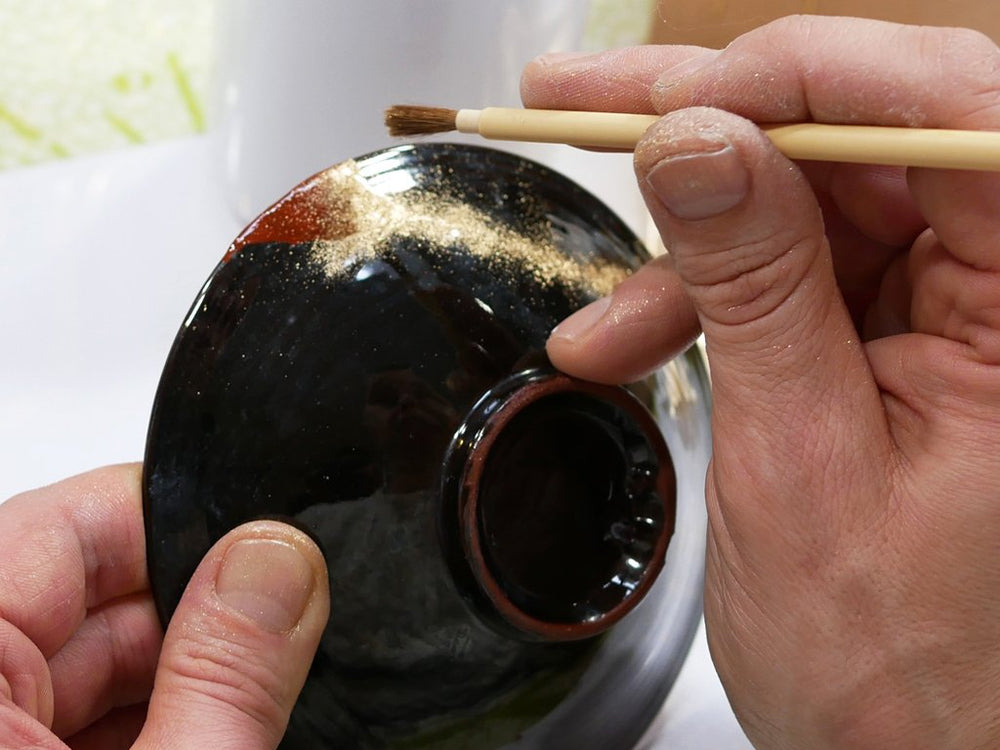
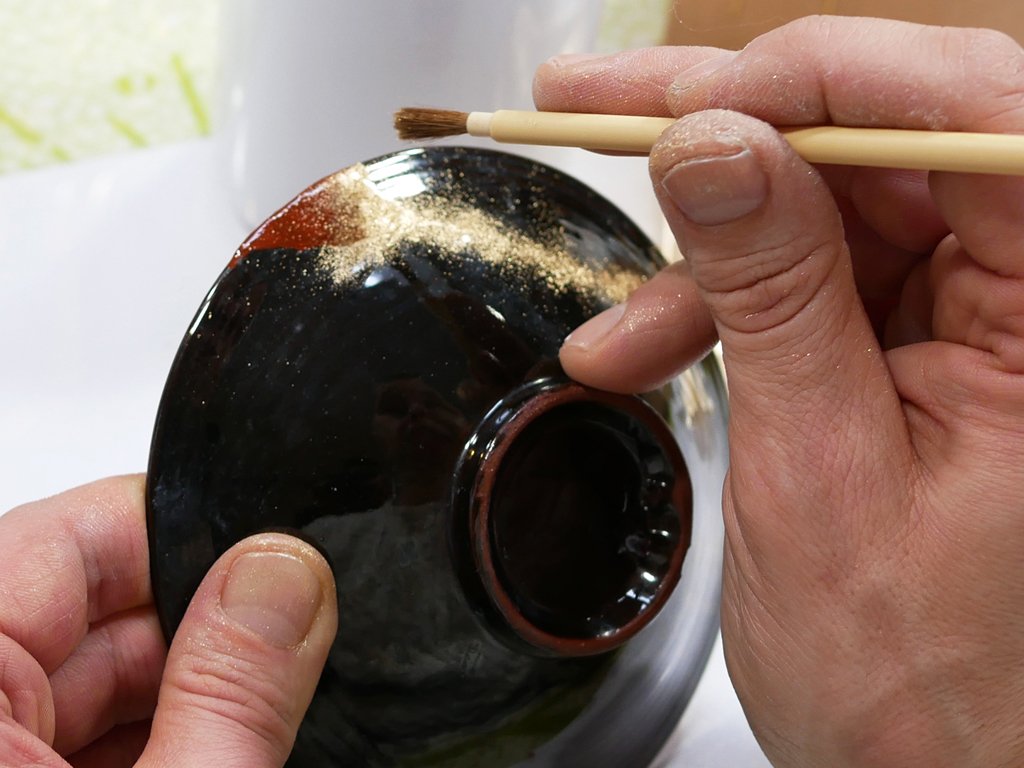
Producing Aizu lacquerware entails a number of processes, including the shaping of raw materials, painting, and decorative finishing, such as makie and chinkin. Different experts are involved in each process. And even among painters, the specialty is divided according to the shape of the tableware. In this way, a number of craftsmen, each of them highly specialized, collaborate to achieve high product quality and efficient production. Aizu lacquerware is characterized by the use of a number of techniques, such as “hananuri,” which involves adding oil to the lacquer to produce a distinctly elegant gloss; “chinkin,” which involves inlaying gold powder into grooves inscribed in the lacquer; and “taka-makie,” in which designs are brought out in relief. Only when craftsmen are able successfully to unite their skills and their hearts can a piece of lacquerware be brought into existence.
Adorning memorable moments of life with AIzu lacquerware
Trophies and plaques can add to memorable occasions in a person’s life, highlighting recognition that he or she achieves or marking significant events such as anniversaries. b Prize always bears in mind the need to produce items that reflect the importance of the event or milestone being commemorated, special care being given to selecting the appropriate materials and production methods. Going forward, b Prize remains committed to manufacturing quality products that employ a variety of Aizu lacquerware techniques.


Edo kiriko is Japan’s traditional craft of engraving on glass. Its story begins in 1834 when Kyubei Kagaya, the proprietor of a glassware shop in Edo, first attempted to inscribe designs on the surface of glass. In 1873, the government constructed a glass factory in Shinagawa, taking the first step in a policy designed to foster the modern production of glass in Japan. The establishment of modern glass manufacturing had a major impact on the development of
Edo kiriko. Unlike arts and crafts
developed for the export market,
Edo kiriko evolved as an item used by
the common people and is now hailed
as a traditional craft with roots in the
everyday life of the Japanese nation.
Hirota Glass Co., Ltd. is a glass manufacturer based in Sumida-ku, Tokyo. It has been in business since 1899. By adhering to a handmade-only policy, Hirota Glass manufactures products that convey a textural warmth which is unavailable in machine-produced merchandise. During the Second World War, Hirota Glass kept its important molds protected against aerial bombardments. These molds, together with artisans’ skills, have enabled the company to bring back lines of glassware that were held in high esteem during the pre-war period.
Tradition passed on from generation to generation
Craftsmen producing Edo kiriko adopted cutting techniques imported from Europe during the Meiji Period and this tradition has been kept alive by succeeding generations, who have now incorporated modern industrial techniques into its production. But the foundation of the craft continues to be designs that evoke nostalgia for the Edo Period.
Glassware derived from collaboration between glass and kiriko artisans
The furnace used to melt glass lies at the heart of Hirota Glass’s operations. With temperatures kept constant at between 1400 to 1500 degrees Celsius, the furnace never stops operating for a four-to-five year period. Artisans carefully give shape to the glass, which is then handed over to kiriko professionals who engrave the glassware’s intricate designs. This collaboration between artisans who shape the glass and those that engrave the designs has been the key element behind the manufacture of Edo kiriko for more than 100 years.
Product revivals that evoke nostalgia and novelty
, Hirota Glass is expanding its vision beyond tableware to products which evoke nostalgia while embodying innovative designs. In this regard, the company is actively engaged in the development of a line of “revival products,” where it is giving second life to items issued in the past. One example is “Taisho Romance Glass.” which is produced by using a special technique called nyuhaku aburidashi to create scouring rush patterns, a traditional stripe design.


Atelier m4 is a specialist in a type of wood crafting known as sashimono, which is a generic term for furniture, fittings and fixtures, and other wooden accessories that are assembled without the use of nails or other fasteners. The history of sashimono goes back many centuries, to the Heian Period, where it developed in the aristocratic milieu of Kyoto.
Featuring stylish and opulent ornamentation, this Kyo-sashimono contrasted with the simple and chic Edo-sashimono, which emerged during the Edo Period and was favored by commoners. atelier m4 traces its lineage to Edo-sashimono. Based in the city of Matsumoto, in Nagano Prefecture, the company operates in an environment blessed with many forests. It seeks to preserve not only the traditional skills necessary to create exquisite wooden craftwork but also the spirit and attitude brought to this work by great craftsmen.
atelier m4 was established in 2007, as a successor organization to Maeda Mokugei Kobo, a woodworking shop whose history dates back to 1901. Led by the grandchild and great-grandchild of the founder of Maeda Mokugei Kobo, atelier m4 has set out to build a new type of collaborative business which employs Japan’s traditional sashimono techniques to produce wood products that add beauty to modern living.
Craft is the element that enhances
the attractiveness of everyday items
Besides functionality, furniture and other accessories must be made of suitable materials and be skillfully crafted. There is no need for excessive decoration. atelier m4 has the skills necessary to produce designs that suit the lifestyles of end users. By refocusing on the appeal of high-quality craftwork, the company is aiming to build products that succeed by being “neither handcrafted nor industrial.”
Enhancing the beauty of trees
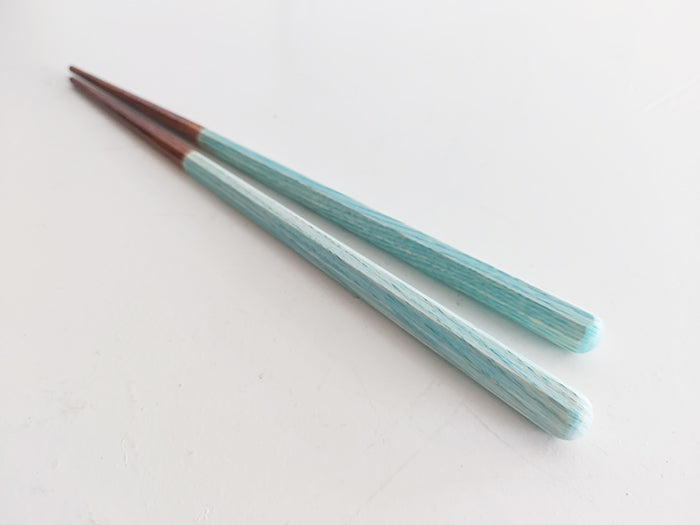
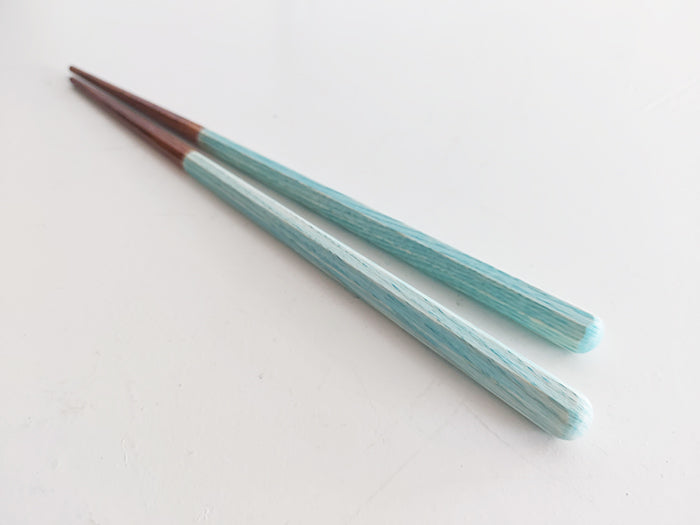
When creating an accessory out of a piece of wood, atelier m4 shows respect to trees and strives to enhance the beauty of the wood it uses; it brings out the brilliance of the grain in a way that can only be done by making things by hand, one at a time. Through years of experience in woodwork, atelier m4 has built up the knowledge needed to make the best use of a tree’s nature. Utilizing this knowledge, the company is working assiduously to create works that fully express a tree’s charm. One of the ways it seeks to do this is by combining wood with different materials such as iron, aluminum, copper, and leather.


Make, use, and return to forests
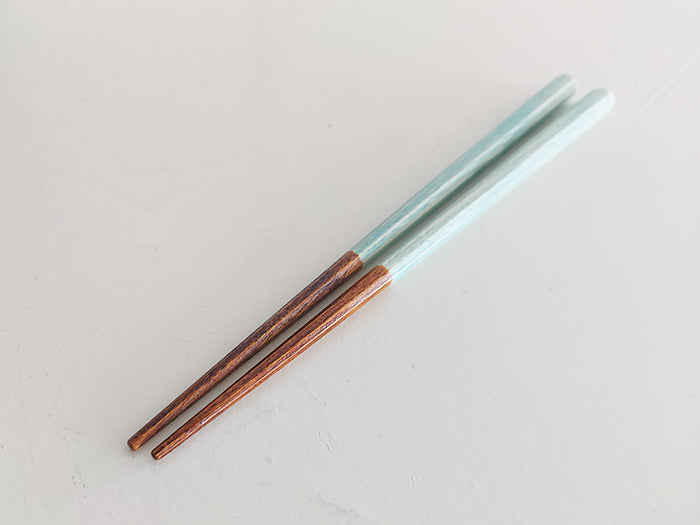
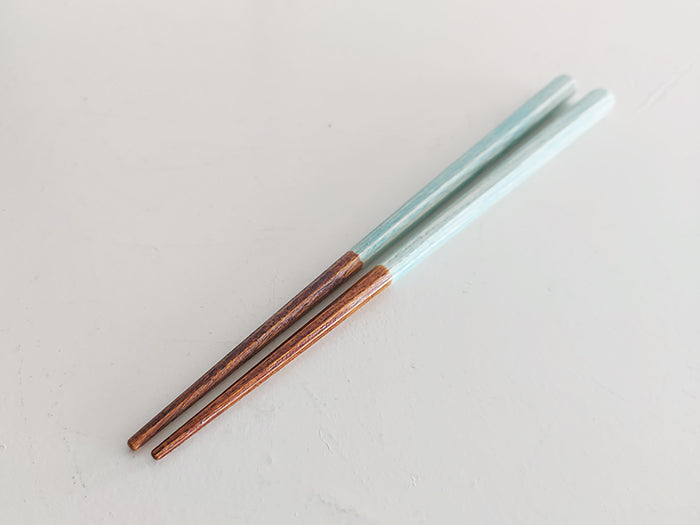
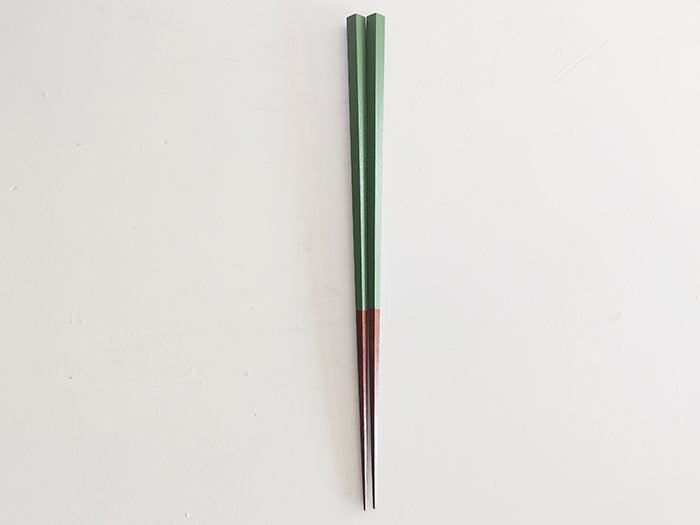
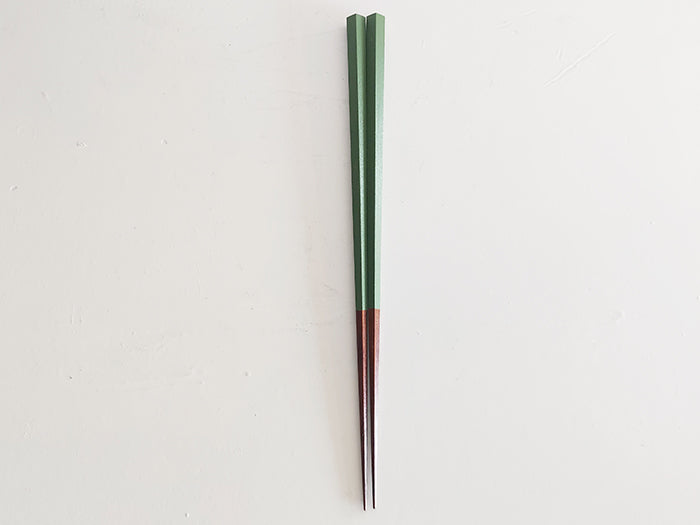
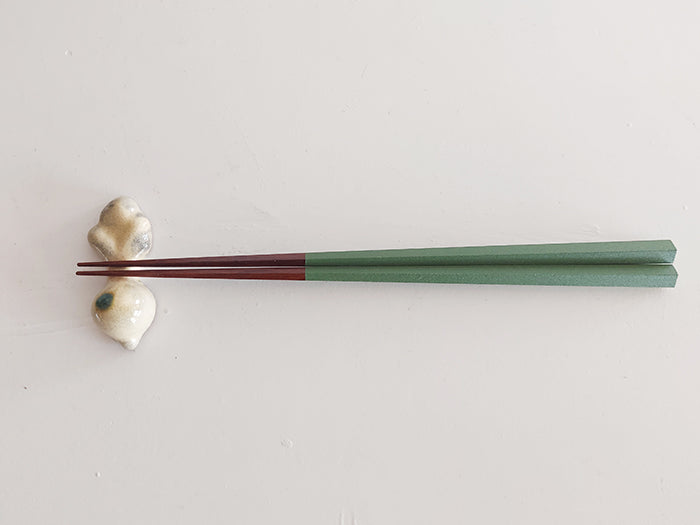
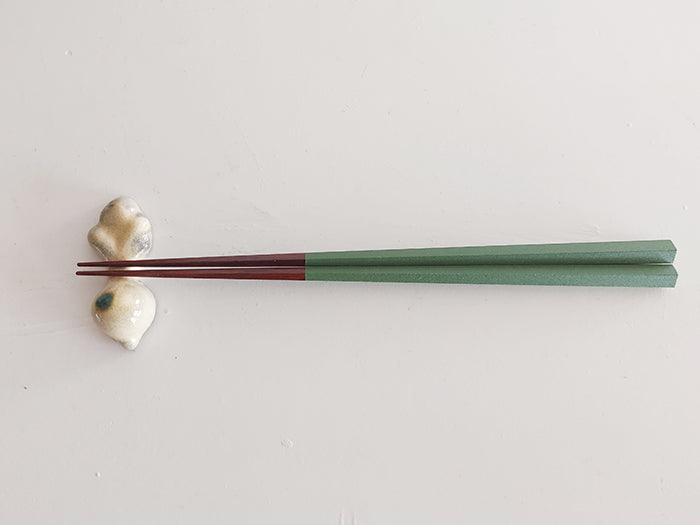
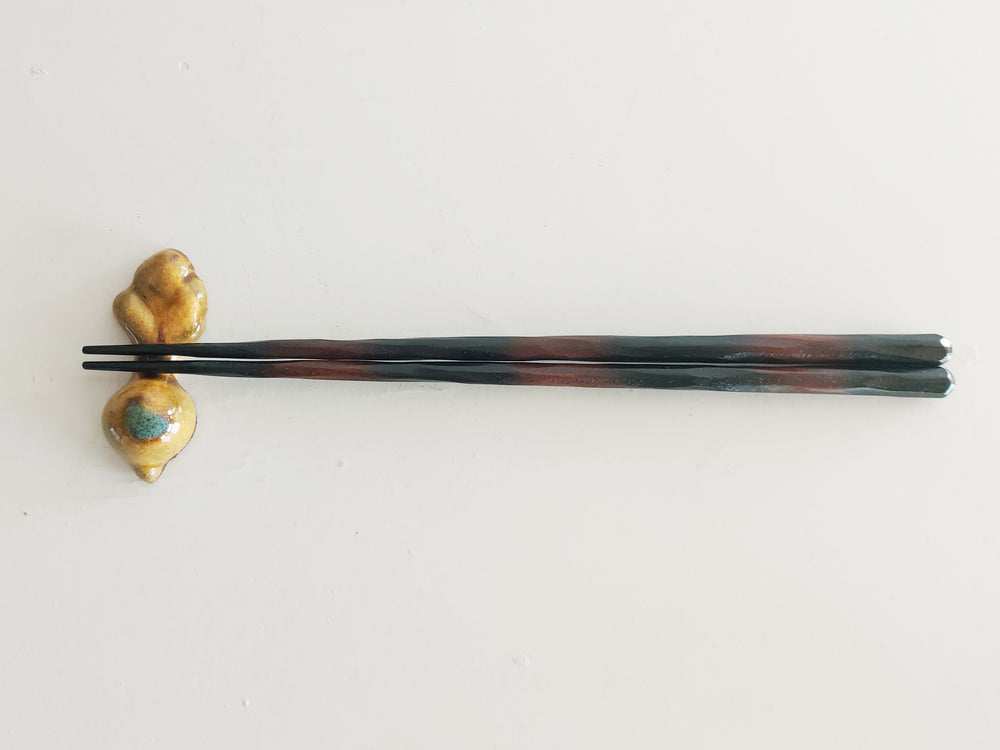
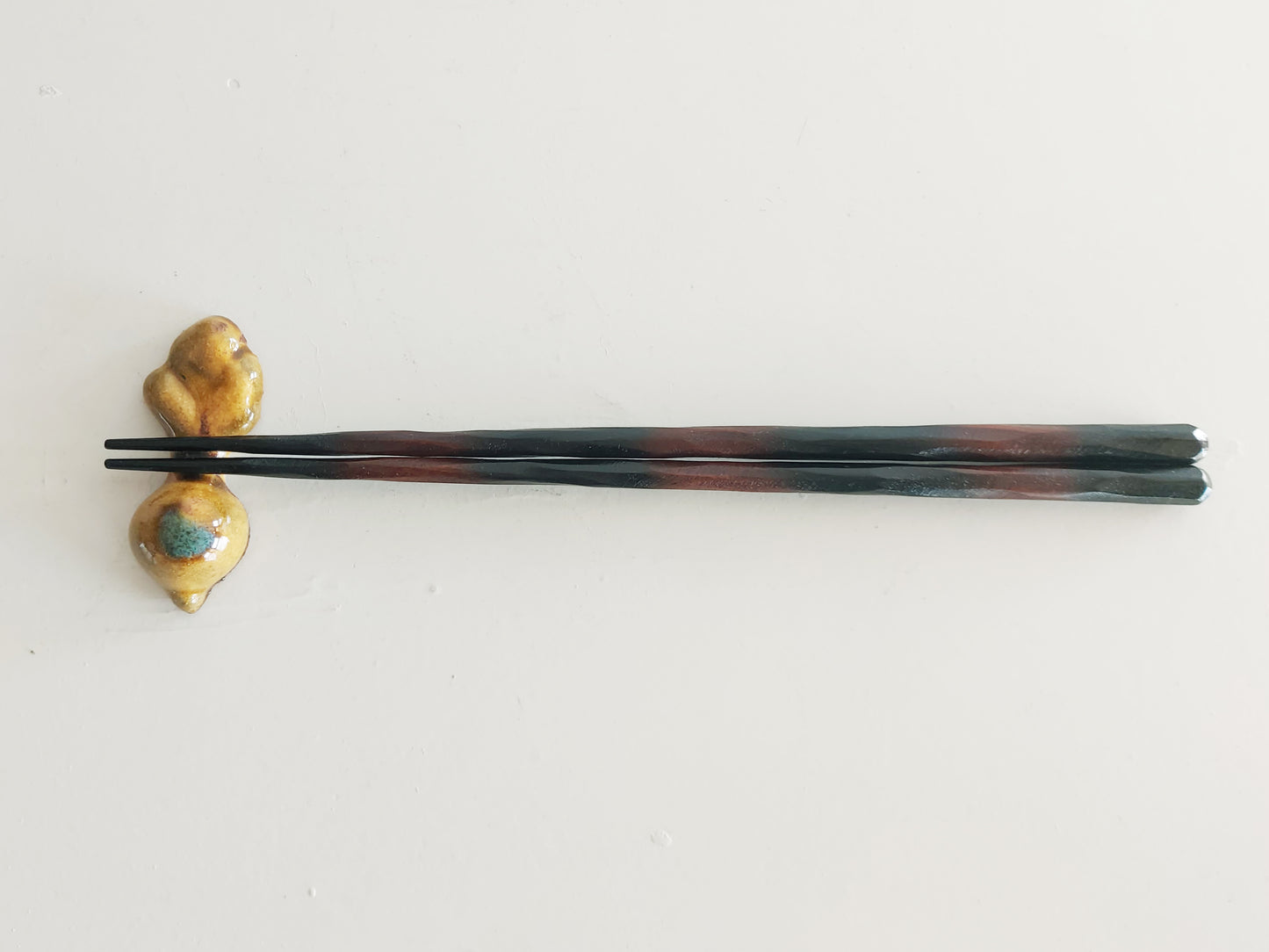
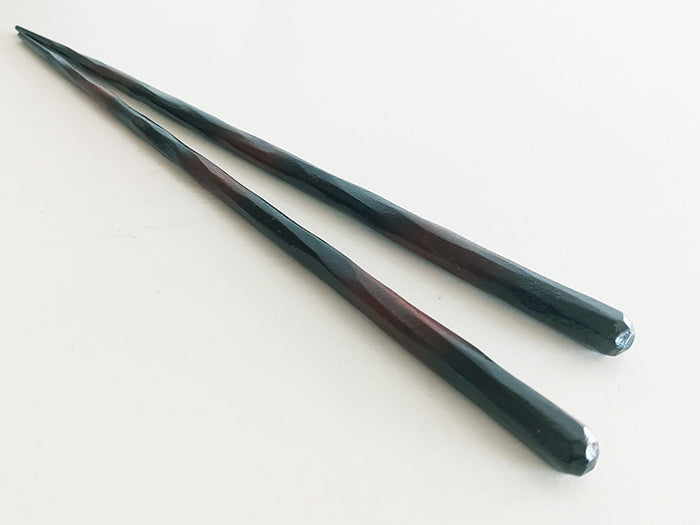
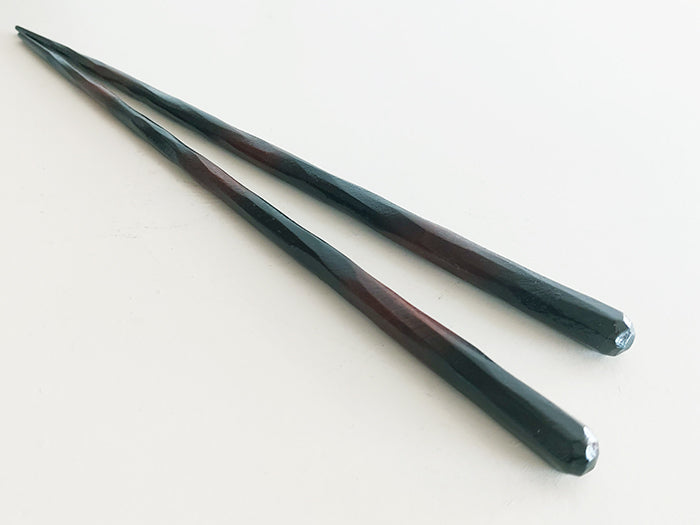
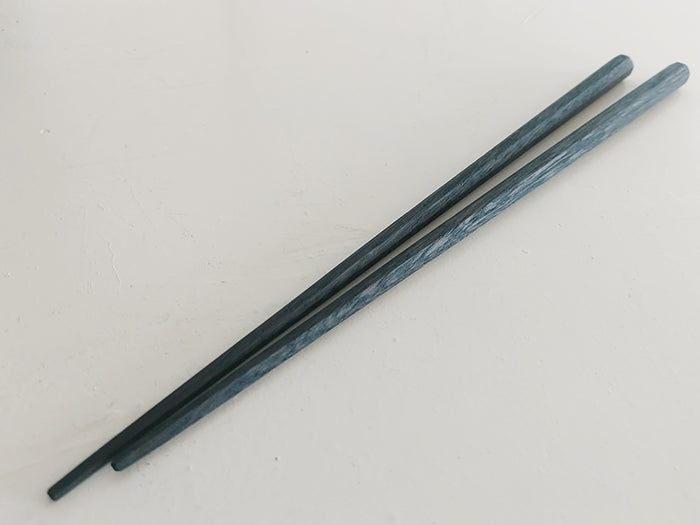
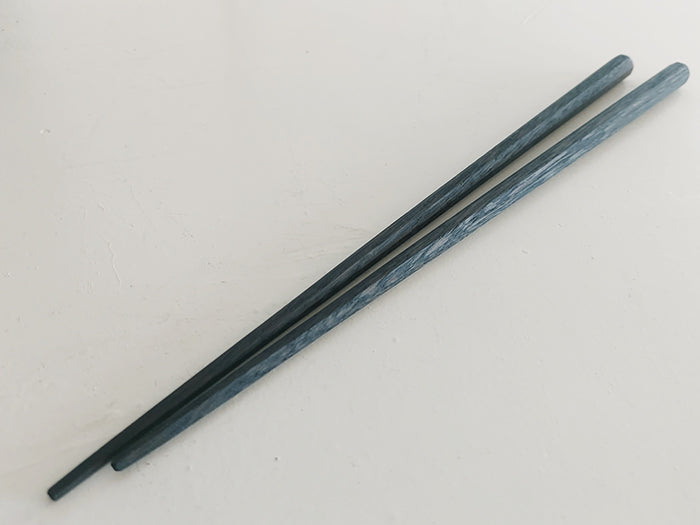
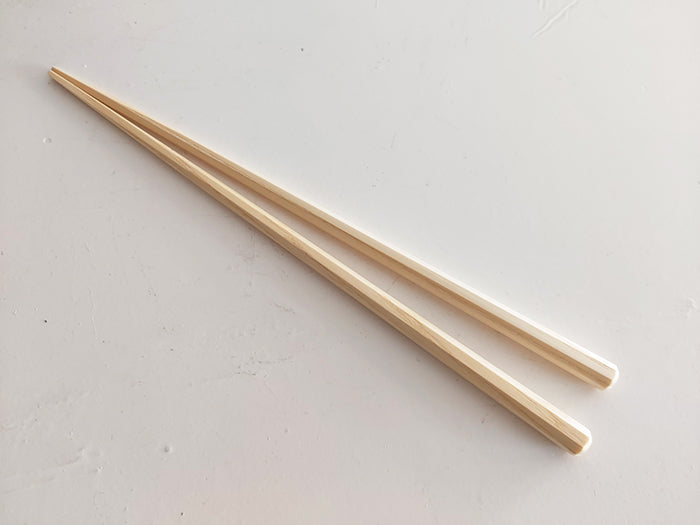
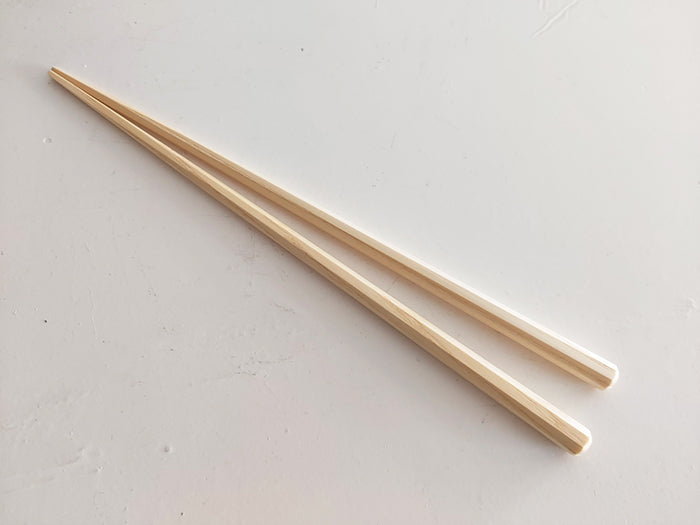
While thinning is indispensible for the protection of forests, there is increasing concern that the recent decrease in the use of thinned wood may aggravate the health of trees and thereby damage forests. In response to this situation, atelier m4 has launched an effort to produce chopsticks out of the wood of trees thinned from stands of Shinshu larch.
In the hope of regenerating damaged forests and fostering greater harmony between forests and human beings, atelier m4 has dedicated itself to producing these chopsticks, realizing that, as a user of wood, it has the responsibility to do all that it can to sustain healthy forests.
The town of Arita, located near the borders of Saga and Nagasaki Prefectures, is well-known for its porcelain. The history of Arita-yaki (Arita ware) goes back more than 400 years, to the period when Korean potters were brought to this area from the Korean peninsula. Arita ware is now recognized as one of the nation’s traditional crafts by the Minister of Economy, Trade and Industry.
In the past, Arita ware was also known as “Imari ware” because it was shipped overseas from the Port of Imari, in Saga Prefecture. It is still known and cherished today as “Imari” in many foreign countries.
The origin of the Tsujiyo Ceramics Factory dates back to the Ansei Period (1854-1860). It was founded by Yosuke Tsuji, whose family served the ruler of the Saga region. The Tsuji family assumed responsibility for producing porcelain and other wares for the lord of the Saga clan. Today, headed by a sixth-generation descendant, the company makes a wide variety of products ranging from porcelain to yakishime (a type of unglazed stoneware) which offer users a combination of flexibility and modernity. Honoring “time honored traditional techniques” and committed to “free and high-quality artisanal manufacturing which satisfies the needs of the times,” Tsujiyo creates attractive, well-crafted products that appeal to consumers.
Product development in line with annual theme
Adecade ago, Tsujiyo adopted a policy of selecting an annual product development theme. Last year it was exterior items, this year it is interior items, such as pots for miniature bonsai and orchids. Each year, the challenge for the company is to successfully combine traditional techniques which have been handed down over the past 150 years with modern technology.
An abundance of technologies and inspiration
Sobachoko (bowls in which soba noodles are served) are created by combining techniques such as sometsuke, akae and shinogi. There are more than 500 such combinations, which produce richness in hues and variety in design concepts. Tsujiyo is capable of handling all porcelain-related processes from under- and over-glazing, transfer printing and color glazing to mass production using gypsum molding. In recent years it has been engaged in the development of products using a water-repellent process patented by Saga Prefecture and in the development of technology for shaping plaster molds using CAD.
Bearer of a new porcelain culture
Satoshi Tsuji is the seventh owner of Tsujiyo’s Yozan kiln. As the proponent of a new porcelain culture, he is attracting significant attention. He is the winner of the top prize for porcelain at the Ceramic Art Meshiwan Grand Prix Exhibition. Known for his exploration of the potential of traditional crafts, he has collaborated with an Edo-kiriko manufacturer to create a lamp that evokes a sentimental tone through the combination of an Edo-kiriko shade with an Arita ware base.


By the middle of the Edo Period, techniques for the manufacture of tsuiki copperware had already taken root in the area near the present-day City of Tsubame, in Niigata Prefecture. But what made the region a prosperous center for tsuiki copperware production was the discovery of high-quality copper in nearby mountains. The city boasted several hundred copperware craftsmen at its peak. Tsuiki copperware is produced by taking a copper sheet and hammering it into the shape of a container. Over the years, the metalworking techniques used by Tsubame’s craftsmen evolved and came to underpin one of the most thriving western tableware businesses in Japan. Today, the City of Tsubame accounts for 90 percent of the western-style metal tableware produced in Japan.
Since its establishment in 1816, Gyokusendo has groomed more than 200 tsuiki craftsmen. The company is led today by Motoyuki Tamagawa, a seventh-generation descendant of the founder, Kakubei Tamagawa. In 2008, Gyokusendo’s shop and storehouse were registered as Tangible Cultural Properties by the Government of Japan and in 2010 the sixth owner’s younger brother, Norio Tamagawa, was selected as a Preserver of Important Intangible Cultural Properties by the Japanese government. As this indicates, Gyokusendo has played a major role in developing the tsuiki industry in Tsubame, the only place in Japan to produce tsuiki copperware.

” Beauty in utility” resulting from
the artistic sense of craftsmen
Tsuiki copperware is produced by striking a piece of copper sheet with a gold hammer (“tsui”) to form a container (“ki”). A variety of tools is used in the production of a single container. Gyokusendo uses about 200 types of gold hammers, some of them dating back 200 years. The craftsman’s brain is the sole repository of data on the dimensions of each container. Hence, his artistic sense is all that directs the exact requirements for the production of the copperware, whether it be in relation to hitting, shrinking or smoothing out the copper.
These containers embody “beauty in utility” and are widely regarded as having significant artistic value.
Colorful, variable lifetime copperware
The luster of copperware and austere luminosity of silverware grow over time, producing a variety of tones in the company’s products. Gyokusendo’s unique coloring technique is capable of adding various colors, including red, purple to gold, to the copper. The resulting beautifully-colored and delicately formed pieces can be enjoyed over a long period as they change form to better suit the users’ hands and begin to vary in appearance. If the pieces become damaged, they can also be restored to their original shapes through hammering. Tsuiki copperware is truly a lifetime possession.

Conveying the charms of
copperware and silverware
Metal ions from copper and silver purify water窶鐀 which means that when they are crafted into flower vases, the flowers will live longer; and that when they are used as tea pots, the flavor of tea will be enriched. Copper pans enhance the color of vegetables while copper sake cups add flavor to sake.
Because the thermal conductivity of copper and silver is twice that of aluminum, and between five times and twenty five times that of iron and stainless steel, products made from copper and sliver enable us to boil water faster and to cook more efficiently. There was a time when lightweight and inexpensive aluminum products were favored over copperware and silverware. This did not deter Gyokusendo from seeking to make the latter the specialty of Tsubame. Throughout its history, Gyokusendo has striven to communicate the attractiveness of these products to users and has actively trained craftsmen for the future to create them.

Mikawa was the first region in Japan to establish a thriving cotton industry. By around 1504, well before other areas, cotton weaving had taken root there, setting the stage for further developments over the ensuing years.
The distinctive sashiko fabric, in which a running stitch pattern is sewn into thick Mikawa cotton, creates a bumpy, irregular surface which enhances durability, fire resistance, and heat-retention and moisture-absorption characteristics, while also creating comfort for the wearer. Sashiko fabric has been used in Japan in the protective clothing of firefighters since ancient times.
Tanei Co.,Ltd started its history around 1920 in the Toyokawa city. During those days, the manufacture of sashiko fabric still relied on manual labor. This changed in 1922, when Tanei succeeded in developing an externally powered weaving machine, making it possible to manufacture sashiko fabric in large quantities.
The company has passed from father to son for three generations, and today, Tanei contributes to the manufacture of kendo, judo and other martial arts uniforms that use high-quality Mikawa cotton incorporating sashiko stitching. It is the leading manufacturer of such uniforms and produces many products in this area on an OEM basis.
In recent years, it has been engaged in manufacturing aimed at meeting contemporary needs, launching a line of handbags that are sewn out of sashiko fabric.

Tanei Quality
Because of the thickness of Mikawa cotton incorporating sashiko stitching, it is widely considered to be difficult to sew. Tanei, however, has earned an outstanding reputation for its ability to manufacture merchandise that is sewn accurately and carefully along the grain of the fabric.For the production of bags the fabric is cut by skilled craftsmen and is then trimmed and aligned by hand along the grain of the fabric. To ensure that the grain aligns evenly at the time of sewing, each piece of fabric is laid carefully atop the other one at a time. After the bags are sewn, they are inspected individually by an inspector to ensure that overall shape and finish are satisfactory and that there is deformation.This kind of individual crafting of bags permits no carelessness or compromise. On the production floor, the company endeavors to maintain its strong commitment to artisanal manufacturing.
Potential of Sashiko Fabic
The handles of Toyama Hamono’s scissors are designed to fit the shape of the user’s hand, so that when they are gripped force is transmitted efficiently to the cutting edge. Moreover, because of the use of Hitachi Yasuki Hagane, a brand of steel renowned for its hardness, the company’s pruning shears are light as well as highly durable.
Characteristics of Sashiko Fabic Bags
Tanei’s sashiko fabric has a different feel against the skin. In a judo match, unevenness on the reverse side of the sashiko material will cause welts to be raised when the uniform rubs against the body. Consequently, improvements have been made to the reverse side of Tanei’s sashiko fabric to prevent injuries to the skin. Because sashiko fabric, when used in judo uniforms, touches the skin directly, it adapts to the wearer. When used in bags, too, it adapts to the body of the person carrying it. Moreover, like leather which gets better with age, bags that use sashiko fabric change their texture with use and develop a unique “expression.”


The cutlery industry in Sanjo City, Niigata Prefecture, goes back a long way. In the 17th century, the region was already famous for producing a wide variety of hardware, including kitchen knives, kogatana (small knives), and farming and carpenters’ tools, all handmade by local blacksmiths. The time-honored skills of these blacksmiths, and their tradition of unstinting effort, have been passed down to the present day. With the development of new forging technologies over the years, Sanjo has become known as the “City of Metal Industry,” in recognition of the fascinating products and the customer satisfaction that it has brought to the modern world.

The history of Toyama Hamono Co., Ltd. began in 1860, in Sanjo City. Since its launch, it has been a producer of scissors dubbed Echigo kibasami, or Echigo pruning shears (Echigo referring to the region where the city is situated). At present, the fourth-generation master, Hidehisa, carries on the family’s legacy. The company’s specialties are the scissors used for ueki (garden trees, potted trees), bonsai (miniature trees grown in containers) and ikebana (traditional Japanese flower arrangement). Recently, responding to the booming popularity of gardening, its focus has extended to scissors for garden plants. While valuing tradition, Toyama Hamono does not hesitate to introduce new technologies and has incorporated precision grinding systems and robots into its production process. While taking pride in its pioneering role as a manufacturer of Echigo kibasami, Toyama Hamono seeks always to take full advantage of future opportunities in the scissors-making business.
Never-ending challenge
By combining a respect for tradition with new technologies, Toyama Hamono has created products that offer users both beauty and utility窶琶.e., both outstanding ergonomics-based design and unparalleled cutting ability. Capitalizing on the trust that it has cultivated among customers and the results it has obtained through its dedication to scissors for ueki and ikebana, the company is making inroads into new businesses, including joint product development with Ms. Miyuki Kaji, a well-respected specialist in rose research.
Work enriched by the experience and
skills of Toyama Hamono’s craftsmen
The keys to successfully forging cutlery are to achieve an optimum fire temperature and to hammer the steel with the appropriate strength and rhythm. Only a craftsmen’s five senses, honed through experience, can distinguish subtle differences between such temperatures and different strengths/rhythms. In producing scissors, a critical component is the cutting edge of the rear blade, which only a skilled craftsmen, working delicately by hand, can grind to achieve optimal sharpness. At the final stage of production, veteran craftsmen check the products one by one, making finer adjustments to ensure the best edge quality.
Beautiful & useful design,plus strong & light steel
The handles of Toyama Hamono’s scissors are designed to fit the shape of the user’s hand, so that when they are gripped force is transmitted efficiently to the cutting edge. Moreover, because of the use of Hitachi Yasuki Hagane, a brand of steel renowned for its hardness, the company’s pruning shears are light as well as highly durable.


Maruto Hasegawa Kosakujo, Inc. is based in Sanjo City, in the heart of Niigata Prefecture. For centuries, the city has been a center of smithing, because of the abundant availability of mineral resources in the area.
This history has enabled its craftsmen
to give birth to a number of forging
techniques, including most prominently
“uchihamono,” a method of forging
iron into wakugi (Japanese-style nails),
farming equipment, carpenters’ tools,
and kitchen knives. These traditional techniques, along with a creative spirit that has never ceased to be an inspiration for innovation, have been passed down to the present day, fostering the further development of forging technologies and the production of fascinating utensils that satisfy the needs of life in the 21st century.
Maruto Hasegawa embarked on the metal forging business in 1924, producing agricultural tools at a workshop in Sanjo City. The company now produces work tools used throughout Japan and in more than twenty countries around the globe. In 1945, incorporating the concept of industrial design, Maruto Hasegawa launched “Keiba,” an innovative, proprietary brand, whose race horse logo signifies the beauty of the mechanisms incorporated into the product line. In 2003, utilizing time-honored cutting tool techniques, the company began manufacturing products for beauticians and barbers under the “Maruto” brand. The line’s nail clippers and other products have opened up opportunities in a significant new market.
Synergy of tradition and rationalization
Combining multigenerational traditions with today’s leading-edge technologies, Maruto Hasegawa continues to expand its product range to meet the needs of today’s customers. While ensuring that craftsmen continue to play key roles in manufacturing, the company has streamlined the work process at its workshop, enabling it to provide consistently high-quality products with a smaller number of elite craftsmen. What differentiates Maruto Hasegawa from others is its ability to strike a balance between tradition and rationalization; while treasuring tradition, it is able to apply modern tools that lower costs and promote the rationalization of its operations.
Talent development is a top priority
“Develop people, develop products and develop wealth.” Maruto Hasegawa believes that training people will generate quality products and wealth, and therefore invests a considerable amount into developing talent. It is always open to proposals from employees that challenge it to develop a new technology or a new product. The company provides a full range of support to employees seeking to enhance their individual production skills. Maruto Hasegawa’s hardworking and earnest employees take pride in working for one of Japan’s leading manufacturers. This gives rise to a sense of responsibility for the company窶蚤nd to the motivation to continue working to develop products that will be widely used around the world.
“Cutting” tools featuring utility and beauty


Whether for work tools or utensils used by beauticians and barbers, or for scissors that are manufactured based on techniques used in the production of samurai swords, Maruto Hasegawa excels at making cutting tools which combine unparalleled utility and beauty. In all of its products, the skill of experts will be evident.
To ensure the utmost in utility, the company employs techniques of manufacturing that produce exceptional cutting quality, adding a step in which craftsmen are brought in to make minute adjustments to each process. Maruto Hasegawa is also keenly aware of the importance of product design and has been launching an industry leader in collaborations with designers, resulting in its earning a number of design-related awards.

Prince Kogyo Co., Ltd. is based in Sanjo City, in the heart of Niigata Prefecture. Blessed with rich mineral resources, the city has for centuries been a center of blacksmithing and a site for the development of forging techniques, particularly “uchihamono,” a method of forging iron into wakugi (Japanese-style nails), farming equipment, carpenters’ tools and kitchen knives. These sophisticated techniques, along with the creative spirit of craftsmen who have always sought something better, are a legacy that has been passed down to the present day. The continued development of a variety of advanced forging technologies in the region has produced fascinating utensils that meet the needs of life in the 21st century.
Under the theme of hiraku (“opening things up”), Prince Kogyo launched its business in 1964, focusing on the development, manufacture and marketing of home metal utensils such as can and bottle openers. The company puts its heart and soul into producing merchandise that people often take for granted and into making improvements in such items that others may overlook. This approach enables the company to innovate. Prince Kogyo’s business ranges from product planning and development to the operation of presses. Its press technology enjoys a high reputation in the industry. Based in a city historically renowned for metalware, Prince Kogyo is delivering convenience to people’s kitchens.
Everyday, new ideas
Prince Kogyo excels in particular at creating novelty goods. With the aim of producing better products, it challenges the status quo, looking for any room to make improvements. Flexibility is also its strength. The company is capable of incorporating customers’ opinions into actual products.
‘Brain-stimulating’ tools
In product development, Prince Kogyo’s aim is to create tools that more-than-ever “stimulate the brain.” Besides utility, its products must “add value,” which, for Prince Kogyo, means conveying surprise and excitement from the hands to brain, and vice versa. The company is operated by twin brothers, who work closely together on a daily basis to develop high-quality, easy-to-use products.


Koishiwara-yaki (pottery using clay from Koishi wara) is the name given to products handcrafted in and around the village of Toho, in Fukuoka Prefecture, an area famous for producing pottery for everyday use. The origins of Koishiwara pottery date back to 1682, when potters from Imari were invited to the village and began operating a number of kilns there. Over time, distinct geometric designs and abundant textural warmth became the signatures of this pottery.
During the Mingei (“folk craft”) Movement, which arose in the late Taisho Period out of a desire to reassert the value of simplicity and beauty in traditional Japanese folk crafts, Koishiwara pottery regained the spotlight. The Englishman Bernard Leach, a leader of this movement who profoundly influenced the world of Japanese ceramics, lauded Koishiwara pottery as “the epitome of beauty in utility.”
Koishiwara pottery was awarded the Grand Prix at the Brussels World Fair in 1958. Since then, by continuing to epitomize beauty in utiliy, Koishiwara pottery has been attracting global attention.


Located at an altitude of 500 meters and blessed with beautiful streams and forests, the Koishiwara area has become a center of folk-craft pottery where craftsmen, using the local clay, adopt modern approaches to pottery production while keeping traditional techniques alive. Currently, the Koishiwara area is home to fifty six kilns, most of which are a family-owned and carry on traditions that have thrived for over 300 years.
In recent years, the area’s craftsmen are attempting to move in new directions. One example is the collaboration with food coordinator Tomoko Nagao to develop the “Koshiwara Pottery” product line which proposes contemporary uses for items handcrafted utilizing traditional techniques.
Kyushu’s folk-craft pottery
As a result of the acclaim bestowed upon it during the Mingei Movement, Koishiwara pottery became emblematic of the folk-craft pottery being produced in Kyushu. Its success in establishing “beauty in utility” rested on the techniques that were employed in its production. Today many young successors who are willing to carry on the torch are being groomed, suggesting a bright future for the region’s craft industry.
Distinct geometric design
“Tobikanna” is a decorative technique that results from carving only the top layer of half-dry clay with a springy metal blade while the wheel is rotating. This meeting of the tip of the blade with the spinning clay produces an orderly pattern of lines.
“Hakeme” is another decorative method in which a hake, or brush, is used to create the design. In a third technique, a kushi, or comb, may be used instead to create a design called “kushime.” It is also very interesting to see how different outcomes are created depending on how these tools are applied.
A variety of tones derived from the individuality of craftsmen
Koishiwara pottery is also distinguishable by glazing techniques such as “uchikake,” “nagashikake” and “namagake,” which produce simple and beautiful effects. The application of glazes by potters produceswarmth, rarity, and variety in their works.


The origins of Kagawa lacquerware go back to 1624 when Yorishige Matsudaira, who was well-versed in lacquerware and sculpture, became the ruler of the Kagawa domain and promoted such handicrafts in the region. Subsequently, Zokoku Tamakaji studied choshitsu and other techniques transmitted from China and developed a number of original techniques that became the foundation for Kagawa lacquerware. Five traditional Kagawa lacquerware techniques, choshitsu, kinma, zonsei, goto-nuri and zokoku-nuri, have been designated as national traditional crafts of Japan.
Ichiwado Kougei Co., Ltd. has preserved the tradition of Kagawa lacquerware for over 90 years, since it was established in the city of Takamatsu, in Kagawa Prefecture. Over this period, while honoring and passing down the skills and the spirit of Kagawa craftsmen, Ichiwadou has incorporated modern ideas into its products in a way that reflects its passion for lacquerware. Ichiwado does not hesitate to try new things: through collaborative projects with designers, it is striving to create contemporary utensils which suit today’s lifestyle.
Collaboration of music and lacquer
Last year Ichiwado took up the challenge of creating a “lacquered guitar” with a Takamatsu-based guitar craftsman. To produce the guitar, Ichiwado utilized a special technique called “suriurushi-nuri,” a process in which raw lacquer is applied delicately in small amounts to the surface of the guitar nine times. With the passage of years, the lacquered guitar surface will become increasingly transparent, showcasing the beauty of the grain of the underlying wood.
Commitment to reliability and safety
Because lacquer is highly antimicrobial, it is a raw material that is safe for the elderly and for children. Making best use of this attribute, Ichiwado develops toys which children can safely put into their mouths and products for the elderly which are hygienic and easy to hold. Unlike resin and pottery, lacquer does not conduct heat easily. Lacquered bowls, therefore, do not heat up rapidly when holding hot soup. Lacquered spoons and chopsticks are also light in weight. Determined to produce “safe and reliable lacquerware,” Ichiwado continues to work on innovating new products in collaboration with experts in various fields.
A product lineup that highlights the charm of Kagawa lacquerware
Ichiwado has worked with natural wood and lacquer for 92 years, producing a wide range of products through time-honored techniques. Its product line includes the Designer’s Collection, which is geared toward modern tastes, a series that highlights the beauty of colored lacquer, and a line of quality products for everyday use and for gifts. Ichiwado’s products bring the charms of Kagawa lacquerware into full view.


The story of Takaoka copperware began in 1609 when Toshinaga Maeda, who built the Takaoka Castle in Toyama Prefecture and ruled the region, established a foundry in the area to promote industrial development. In the beginning, cast iron products were the primary focus.
With the improvement of casting techniques in the 18th century, Takaoka became a center of copperware production, manufacturing goods such as temple bells and Buddhist altar fittings. Takaoka copperware achieved worldwide fame at the 1873 Vienna World Exposition, where it was exhibited to great acclaim.
Evolving from a center of cast iron production to a region specializing in copperware and now aluminum merchandise, the city of Takaoka continues to develop as a city of artisans involved in craftwork.
In 1916, Nousaku Corporation began producing fittings for Buddhist altars using casting techniques handed down for over 400 years in Takaoka. Early in its history, the company manufactured principally Buddhist altar fittings, items used in tea ceremony, and flower vases. In recent years, it has added tableware, interior goods, and accessories for building projects. Nousaku will never cease in its efforts to transmit the excellence embodied in traditional Takaoka copperware. While using traditional techniques to deliver tasteful products which evoke the distinctive characteristics of metal such as tin, brass, bronze and aluminum, Nousaku is also eager to collaborate with designers in the innovation of new products.
Technical capabilities enabling the company to use pure tin
Because tin is a soft metal, it is generally mixed with other metals to allow for easier processing. Despite the difficulties known to be associated with its processing, Nousaku uses 100% pure tin in its products. Capable of creating delicate craftworks out of pure tin, Nousaku is now aiming to develop techniques that bring out the best qualities of each metal, including hairline finishing on brass and silicon casting for the formation of intricate patterns.
Advantages of a comprehensive production system that covers all processes from planning to manufacturing
Nousaku offers a selection of materials, which it processes by using original silicon casting techniques. One of these is the raw casting method, which does not require firing and chemical treatment before casting. By choosing the optimum material and technique for each item, the company is able to create a high mix, low volume production environment. The flexibility of this system results from combining techniques from the old days with those of the present day, striking a balance between elaborate craftsmanship and machining capacity. The company’s comprehensive production system, which covers all phases of manufacturing from planning to production, enables it to maintain a consistently high quality in the goods that it produces.
Bold attempt to enter into new fields
In response to requests from customers in new fields such as construction, interior products, and art and fashion, Nousaku has begun custom-manufacturing items ranging from furniture and lighting equipment to interior materials and jewelry. This requires that it work hard each day to forge a new tradition, while continuing to respect the knowledge that has been handed down from the past, to preserve time-honored casting techniques, and to adhere to the mindset of craftsmen of the past.


- Infomation
- Tuesday-Sunday:11.00am-6.00pm
Monday:Close - http://www.wagumi-j.com
- info@wagumi-j.com
- Address
- Unit1.08 Oxo Tower Wharf,Bargehouse Street,
London SE1 9PH,U.K
The first exhibition for “和組 wagumi” will launch at gallery@OXO.
From
This exhibition is to celebrate and showcase the first creative collaboration between European design and Japanese craftsmanship. Through unique connections by Tanei Co Ltd in Japan and LIBERTY in London, 和組 wagumi willツꀀ launch a fist brand ‘CaBas’, compact and multi-functional tote bag designed by LOUISON in Paris, using Tanei’s sashiko fabric for the outer layer and LIBERTY fabric for the lining.We are looking forward to your visit
The “和組 wagumi” project is aimed at pioneering new realms in creativity through the collaboration of studios in Japan and designers around the world. To achieve this goal, we need the contributions of youthful designers who are eager to take on new challenges. We are thus inviting interested designers to submit their profiles so that we can build a “Wagumi Designer Database” that will be referenced by our product planners when seeking designers for the development of new products.
If interested, please apply by completing our entry form. We look forward to having you join us in this exciting project!
- The personal information we receive from you will be stored at our company, and will not be used for any purpose other than this project.
- This project in itself is not intended as a job offer. Hence, we do not guarantee that your entry in the database will lead to product development/design requests for you.
- Before submitting your profile, please carefully read the “Privacy Policy” and“Copyright Policy” pages on this website (linked below).
- Our privacy policy is located here: Privacy Policy